
Uncategorized
WHERE TO BUY MUSHROOM
A Complete Guide to Choosing Fresh, Quality Mushrooms
Mushrooms are a versatile ingredient used in everything from soups and sauces to pizzas, salads, stir-fries, and main dishes. With many varieties available, knowing how to buy mushrooms can help you choose products that are fresh, flavorful, and suitable for your cooking needs. Whether you are shopping at a supermarket, local market, specialty food store, or online, there are several important things to consider before making a purchase.
1. Choose the Right Type of Mushroom
The first step when you buy mushrooms is deciding which variety you need. Different mushrooms have different flavors, textures, and cooking uses.
Button mushrooms are among the most common choices and work well in everyday cooking. They have a mild flavor and can be sautéed, grilled, roasted, or added to soups.
Cremini mushrooms, sometimes called baby bella mushrooms, have a slightly deeper flavor and firmer texture than white button mushrooms. They are excellent for pasta, sauces, casseroles, and stir-fries.
Portobello mushrooms are large and meaty, making them popular for grilling, roasting, and vegetarian dishes. Their size also makes them suitable as a meat substitute in some meals.
Other varieties, such as shiitake, oyster, enoki, and specialty mushrooms, offer different flavors and textures. Before buying, consider what you are planning to cook so you can select the most appropriate variety.
2. Check the Freshness
Freshness is one of the most important factors when buying mushrooms. Good-quality mushrooms should generally look firm, clean, and reasonably dry.
Look for mushrooms that have a healthy appearance and consistent color. They should feel firm when gently touched rather than soft or excessively spongy. Avoid mushrooms that are very slimy, have strong unpleasant odors, or show extensive dark, damaged, or decomposed areas.
A small amount of natural discoloration may occur depending on the variety and age, so appearance should be considered together with firmness, smell, and overall condition.
If mushrooms are packaged, check the packaging carefully. Avoid containers with excessive moisture, liquid buildup, or mushrooms that appear significantly damaged.
3. Buy Mushrooms From a Reliable Seller
Where you buy mushrooms can make a major difference in quality. Supermarkets, farmers’ markets, specialty food stores, and reputable online food retailers can all be good options.
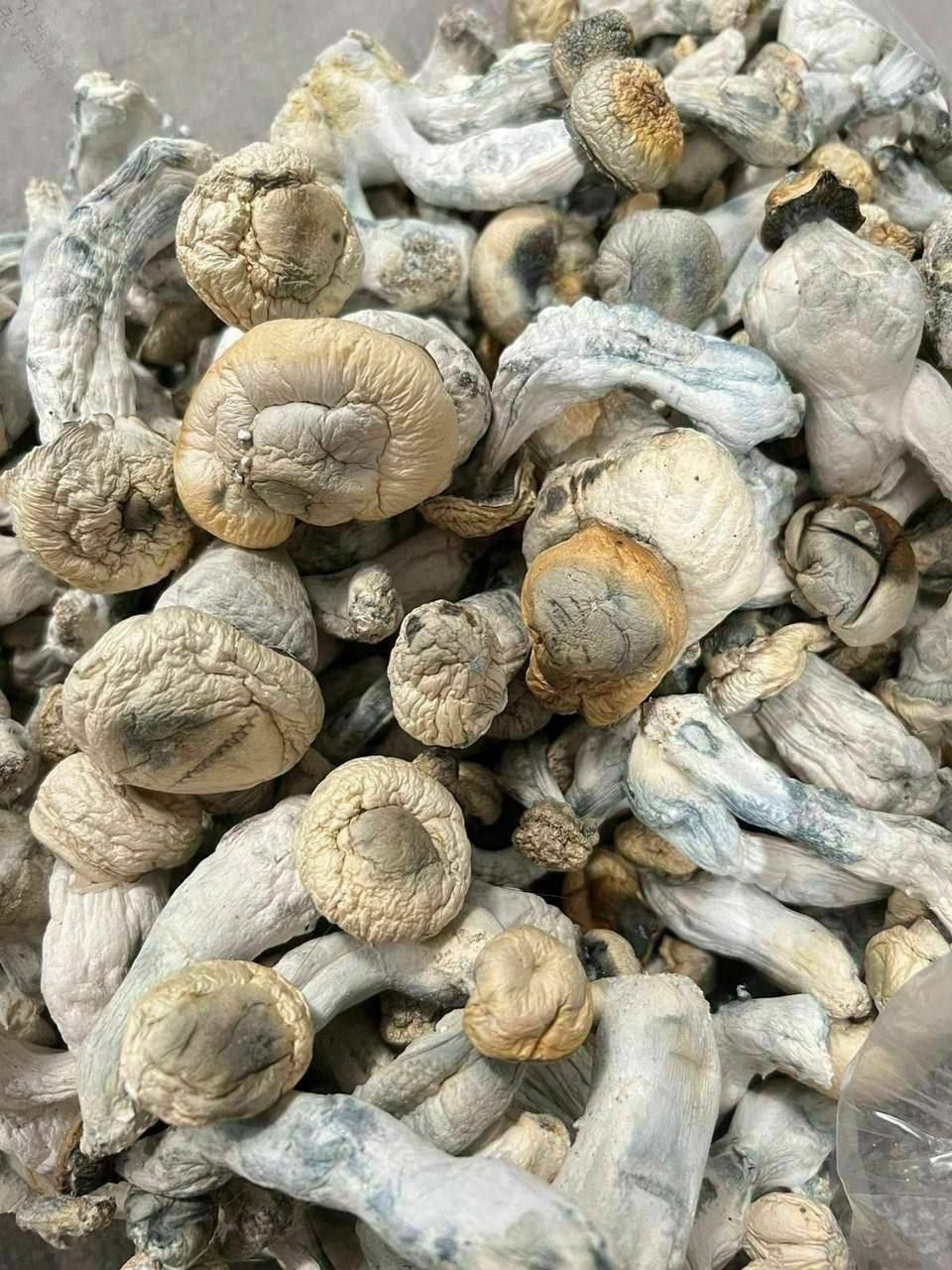
Choose sellers that maintain clean storage areas and handle fresh produce properly. At a farmers’ market, you can often ask the seller when the mushrooms were harvested and how they have been stored.
If you are buying mushrooms online, read the product description carefully and check information about packaging, delivery, freshness, and storage. Buying from a reputable seller can reduce the risk of receiving poor-quality products.
4. Consider Organic Mushrooms
Some shoppers prefer organic mushrooms, while others focus primarily on freshness, price, and availability. If organic certification is important to you, check the product label and look for appropriate certification information in your country.
However, organic is not the only factor that determines mushroom quality. A fresh, properly handled product is important regardless of whether it is organic or conventionally produced.
Compare the variety, freshness, packaging, quantity, and price before making your decision.
5. Compare Price and Quality
The cheapest mushrooms are not always the best value. When comparing prices, consider the quantity you are actually receiving and the condition of the mushrooms.
For example, a slightly more expensive package may provide better quality and less waste than a cheaper package containing damaged or deteriorating mushrooms.
Specialty varieties will generally cost more than common button or cremini mushrooms. If you are trying a new variety for the first time, consider buying a small quantity before purchasing a large package.
6. Check the Label and Packaging
When buying packaged mushrooms, inspect the label for useful information such as the variety, weight, producer, packaging date where applicable, and storage instructions.
The packaging should be intact and suitable for fresh produce. Avoid packages that appear damaged, excessively wet, or poorly sealed.
If you are buying loose mushrooms, inspect several pieces rather than judging quality from only one mushroom. This gives you a better idea of the overall condition of the batch.
7. Buy According to Your Cooking Plans
Your intended recipe should influence how many mushrooms you purchase and which type you choose.
For a quick weeknight meal, button or cremini mushrooms are convenient choices. For grilled dishes, large portobello mushrooms may be more suitable. Shiitake and oyster mushrooms can add distinctive flavor and texture to stir-fries, soups, noodles, and other dishes.
Buying only what you are likely to use soon can also help reduce food waste.
8. Store Mushrooms Properly After Buying
Knowing how to store mushrooms is just as important as knowing how to buy them. Follow the storage instructions provided on the packaging and keep fresh mushrooms refrigerated when appropriate.
Avoid storing mushrooms in conditions that trap excessive moisture. Depending on the product and packaging, breathable storage can help maintain quality.
Before using them, inspect the mushrooms again and discard any that have clearly deteriorated or developed an unpleasant smell or texture.
9. Be Careful With Wild Mushrooms
Wild mushrooms require special attention. Never eat a wild mushroom simply because it looks similar to a mushroom you recognize. Some poisonous species can closely resemble edible varieties.
If you want to buy wild mushrooms, purchase them from a reputable seller with appropriate knowledge and sourcing practices. If you forage mushrooms yourself, rely on qualified local identification expertise rather than an uncertain identification based only on photographs.
For most shoppers, commercially cultivated edible mushrooms are the simplest and safest option.
Conclusion
Learning how to buy mushrooms does not have to be complicated. Start by choosing the right variety for your recipe, then examine freshness, firmness, appearance, smell, packaging, and overall quality. Compare sellers and prices rather than automatically choosing the cheapest option.
Whether you prefer button, cremini, portobello, shiitake, oyster, or another edible variety, buying fresh, properly handled mushrooms can make a noticeable difference in your meals. Purchase an appropriate quantity, store them according to the product instructions, and always be cautious with mushrooms from unknown or wild sources.
With these simple tips, you can shop more confidently and choose mushrooms that are suitable for your cooking needs.
